


This blog post was written prior the events of this week, but it feels impossible to share a post about women in poetry without acknowledging the tragic murder of prize-winning poet and legal observer Renee Nicole Good at the hands of Immigration and Customs Enforcement (ICE). At Spinsters Row, we are sickened and enraged by this violent crime and urge you to read her beautiful poem, On Learning to Dissect Fetal Pigs, and the ACLU statement condemning her death.
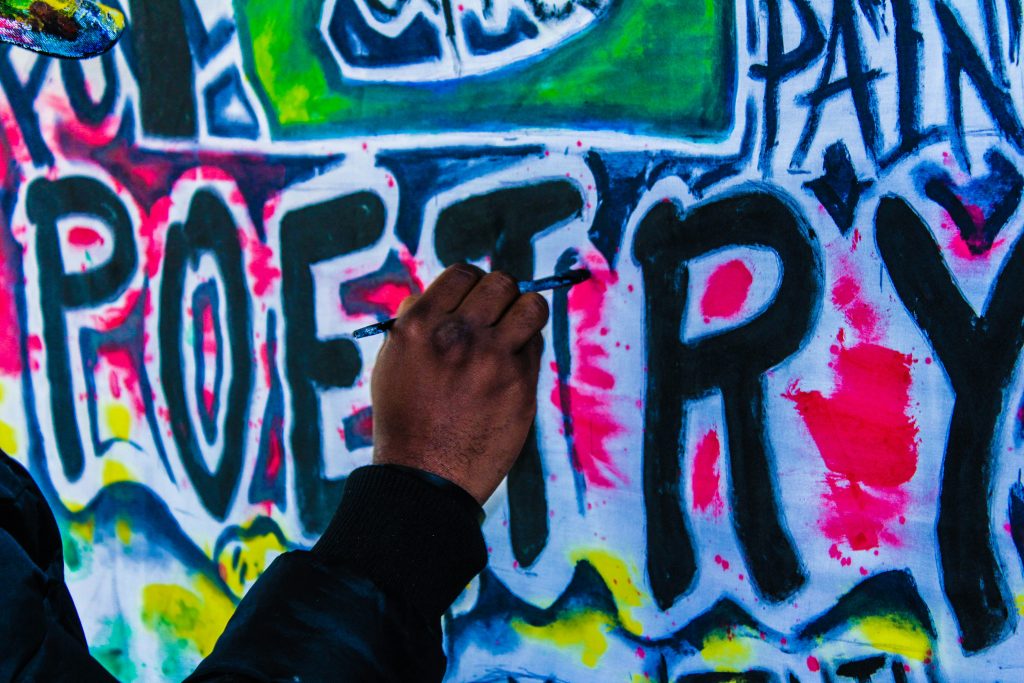
As a poet, I like to think that poetry has never really gone out of style. Some scholars even posit that poetry as an oral tradition predates literacy, and the oldest surviving written poem, Tale of the Shipwrecked Sailor, comes from around 2500 BCE.
So yes, poetry is timeless… but recently, it feels increasingly mainstream. Personally, I hate gatekeeping any form of art or treating it as something that can only be accessed or understood by a select few. So this shift – which can be partially ascribed to the rise of the Internet and social media – delights me to my tender, verse loving core.
Another thing that brings me joy? The fact that many of the poetry superstars of today are women. Ada Limón, who recently served two terms as the United States Poet Laureate, said in an interview with Literary Hub:
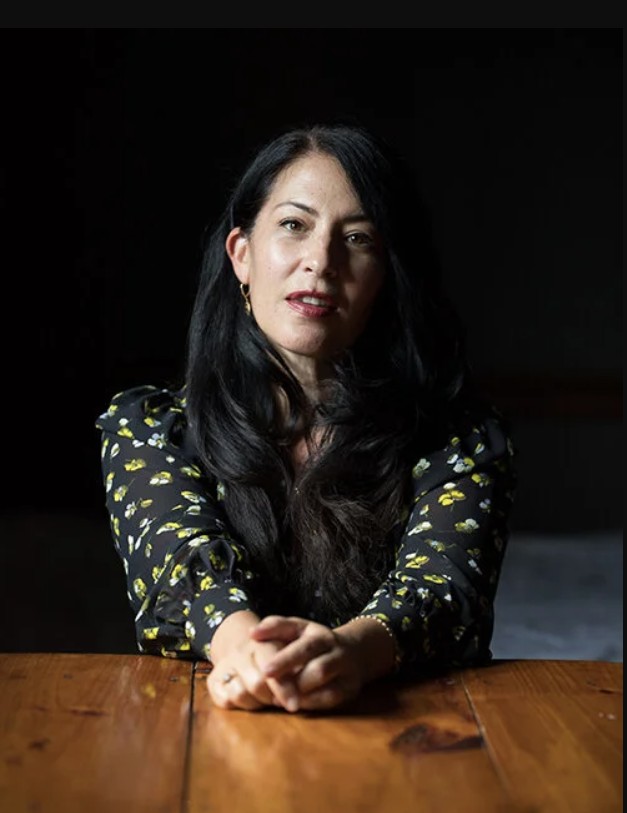
“I’m attracted to the idea of complexity and capacity in creative work. Especially in the work of women. For so long there seemed like there were only two options: motherhood or spinster. How entirely untrue. How banal. How damaging and wrong. We are so much more than any singular limiting archetypal bullshit. The idea that even the physical body holds so much at one time, we have a great surge of complicated thoughts within us at every moment, a fluidity of multiplicities and I wanted to honor that.”
That’s basically the entire ethos of Spinsters Row and I will personally be returning to that quote again and again.
Recently, I also had the honor of interviewing Kate Baer on stage for her 16 city book tour celebrating the release of her newest book, How About Now. First of all – a 16 city POETRY book tour where many of the stops were sold out feels like a fever dream or alternate universe (akin to how much of the general population seemed to care about chess in The Queen’s Gambit). Secondly, I was struck by how the audience was made up almost entirely of women. In her recap post about the book tour on Substack, Kate called it being in “rooms full of girls’ girls” which sounds about right.
Social Media and Modern Poetry Superstars
It’s easy to talk about the ways in which social media has made our world worse, but it’s also leveled the playing field and brought new voices to the forefront. That’s been the case for some of the most popular women poets today who built a following on Instagram before being picked up by traditional publishing houses. This includes poets like Rupi Kaur, Nikita Gill, and the aforementioned Kate Baer, all of whom have hundreds of thousands if not millions of followers.
Social media has also made it easier to discover new poems and poets to love through accounts like Poetry is Not a Luxury, which champion poetry’s accessibility. Plus, you don’t have to go to an out-of-the-way newsstand to hunt for esoteric literary magazines anymore. They all have their own social media accounts and post samples of work appearing in each issue. As a starting point, I’d recommend following the Poetry Foundation and the Academy of American Poets.
Poetry as Resistance
Poetry has always been political but these days, it’s being wielded like a sharp blade against the forces of fascism. From Amanda Gorman’s powerful reading of “The Hill We Climb” at President Biden’s inauguration to the work of Palestinian poets like Noor Hindi (who wrote the brilliant poem “Fuck Your Lecture on Craft, My People are Dying”), today’s women poets are fearless as they speak out against the world’s injustices and atrocities.
Why has poetry always been such a powerful tool of resistance? My theory is that it’s because poetry doesn’t convince through rationality or proselytization. It appeals to the heart of our humanity and compassion; it reminds us that we all have the same depth of feeling, the same capacity for love and grief, and the same longing to be safe and free.
If you’d like to read more political poems, the Poetry Foundation has compiled a collection of poems to empower, mobilize, or rally.
Let’s Read and Write More Poetry
One final note before we say goodbye.
I firmly believe that reading poetry can enrich our lives, expand our perspectives, and foster a sense of wonder. But I also believe that writing poetry does the same. It builds our muscle for staying curious about the threads that weave together our shared humanity and for finding the magical and poignant in the mundane.
So even if it scares you, even if you feel like you’re not a poet (nonsense – we’re all poets), I encourage you to read and write more poetry this year.
The world needs more poetry and it lives within all of us.


