

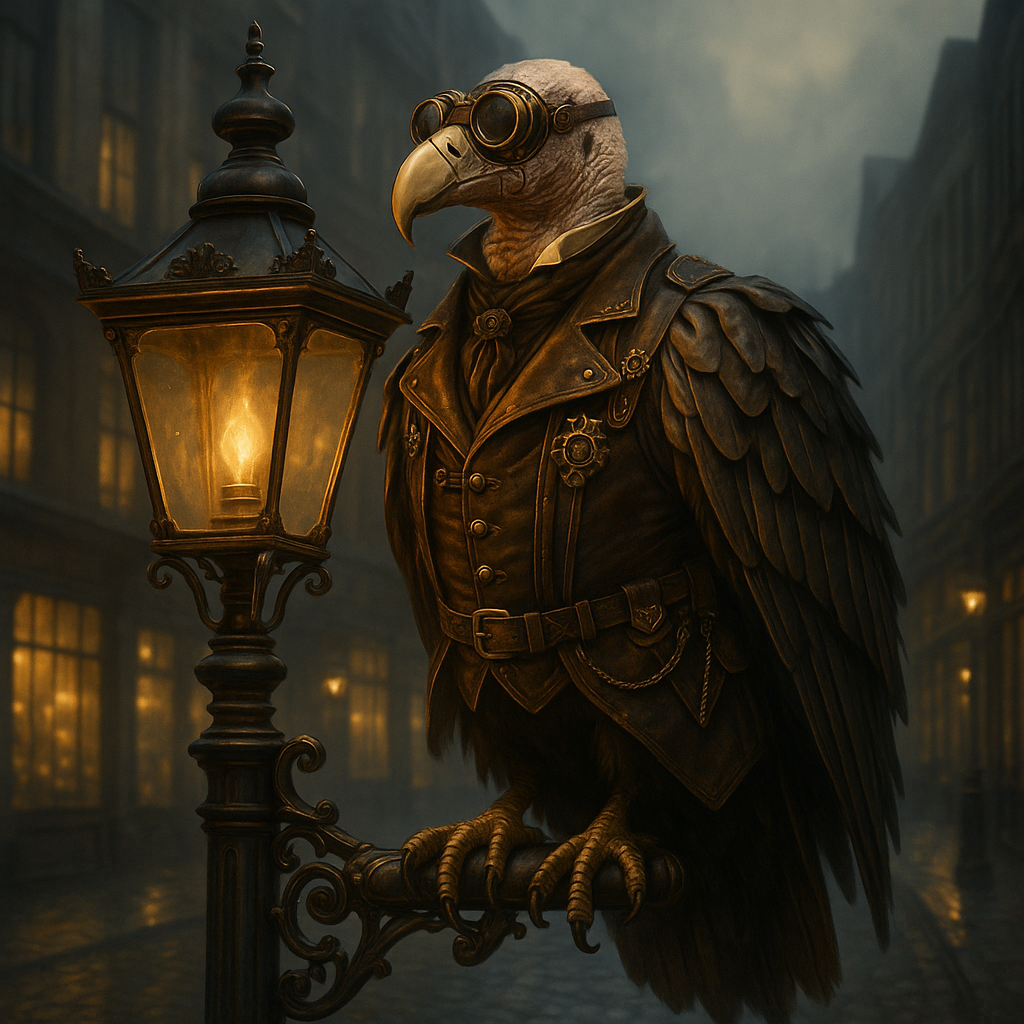
When I was 18, I read “The Woman at the Washington Zoo” by Randal Jarrell, and my obsession with vultures was born. My familiars are vultures. I have stuffed animal vultures, pictures of vultures at home and in my office.
In flight, they are a Kettle. Sitting, they are a Committee, a Venue, or a Volt. When feeding on carrion, they are a Wake.
They are remarkable creatures, one of the few animals that evolved independently in the “Old” and “New” Worlds. They’ve also evolved to have no feathers on their heads to avoid picking up bacteria or disease when they’re tucked into a dining experience inside a carcass. They get along well with other scavengers.
They fly at dizzying heights, can see and smell carrion from a mile away, can eat carrion that has turned green, because of their ridiculously corrosive stomach acids. They have few natural predators, if any. If threatened, they vomit so they can drop weight to fly away more easily.
They’re smart. If they can’t break through a hide, they wait for scavengers who can and then join the feast. They’re patient.
They’re also often solitary creatures. But it seems they navigate the tension between needing a society and wanting to be alone quite well. When gathered together, they often still sit alone. I got to see this for myself at Artis, the zoo in Amsterdam, which has a great vulture habitat. I sat there for at least half an hour, watching them sitting independently from each other, barely even twitching a feather. It was a beautiful moment.
They are one of nature’s hazmat teams, disposing of the elements that create and spread bio-waste and disease. Throughout recorded history, societies and religions have honored them and feature them still in a variety of burial practices.
In Parsi Towers of Silence, bodies are laid out so vultures can consume the flesh and leave the bones, which are then brought back outside to the waiting relatives. This takes perhaps a couple of hours.
Sadly, they are endangered. The only thing that can kill them outright is the NSAID diclofenac, which ranchers and others in husbandry use to treat sick animals. This has reduced the ability of different religions to enable the help of vultures to pick their dead clean. Some religions are adapting, using massive mirrors that concentrate the sun and basically cremate their dead. But it’s sad that this is the case.
There are now laws that prevent harming vultures, regardless of where they decide to settle, which, because of their habits and digestive systems, will ruin a house, a power station, a cell tower, just about anything. The most people can do is put up fake dead vultures. But since vultures trade in death, they’re not really bothered by them.
Vultures are quiet superheroes, doing their job, asking for little, and resplendent in their own weird way.


