


What do you call a mushroom that makes music? A de-composer. This is of course a joke, but the truth is mushrooms are excellent decomposers. (If you like mushroom jokes and puns, this Parade article has 57 more.)
A mushroom is actually the fruit of a fungus, most of the fungus grows underground. The underground part is a complex network of threads called mycelium. Scientists have identified about 150,000 species of fungi but estimates range from 2.2 to 12 million species that are out there.
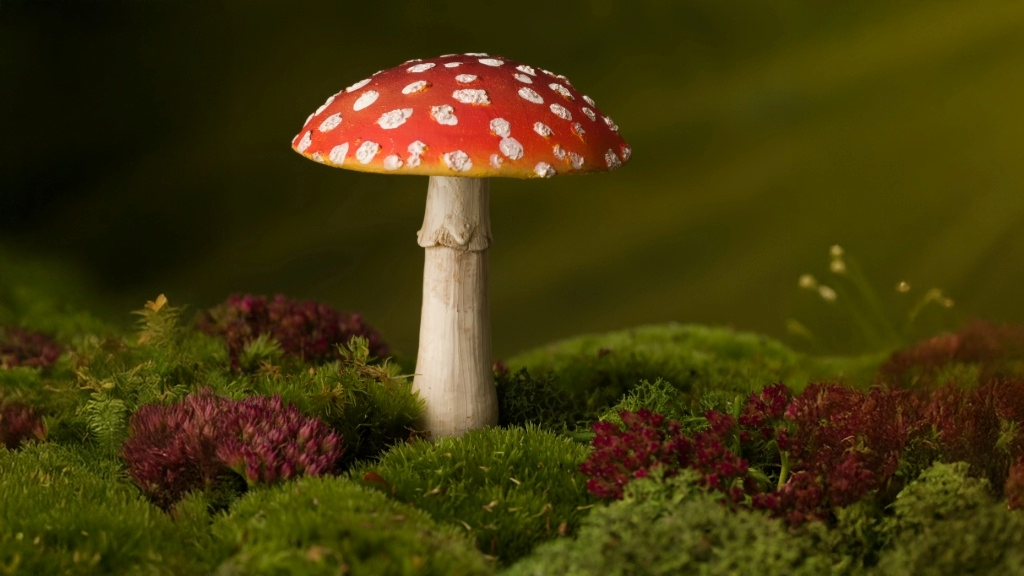
As a long time environmentalist, I’ve often said that mushrooms are part of the solution. Solution to what?
Soil contamination
It started when I read about Paul Stamets’ participation in an experiment detoxifying soil contaminated with diesel fuel. There were 4 piles of dirt – the first was a control, the second was treated with enzymes, the third with bacteria and oyster mushroom mycelium for the fourth. In less than 16 weeks the mycelium had reduced the hydrocarbons in the soil from up to 20,000 ppm to less than 200 ppm while the other piles showed little to no improvement. The opportunities for soil detoxification are widespread and mycoremediation (the process of using fungi to break down contaminates in soil and water) is being used in wildfire remediation and heavy metal contamination.
Bee colony loss
At least 20,000 plant species are pollinated by bees, including blueberries, almonds and even potatoes. Lately they’ve been in decline which is bad news for those of us that think eating a varied diet is nice. The decline is caused by various factors including two viruses, the deformed wing virus and the Lake Sinai virus. A recent study showed that bee colonies which consumed the mycelium extracts mixed in with their sugar water saw up to a 79-fold decrease in deformed wing virus after 12 days and up to a 45,000-fold (!!) reduction in Lake Sinai virus compared to the bees that only ate sugar water. Mushrooms are now being studied for treating other viral infections.
Tree health
Beneficial mushrooms form a symbiotic relationship, called mycorrhizae, with tree roots to exchange nutrients. The fungus gets sugars (carbohydrates) from the tree roots and they help the trees better absorb water and nutrients from the soil. The plants communicate with each other thru the mycelium networks (called the “wood wide web”) allowing plants to share water, nutrients and chemical signals which warn each other of pest and disease. As Neil De Grasse Tyson points out trees even do this for other trees that are not of their same species. The societal parallels and implications are left to the reader for contemplation.
Just for fun, here are some other amazing things people are doing with mushrooms: mushroom diapers, a mushroom kakak (paddled 26 miles!) even waterless mushroom toilets. Oh my!
If you want to learn more, or just enjoy a good mushroom book, check out our picks below.


2 Responses
Very informative and well written, thank-you for sharing.
Mushroom Mushroom indeed! Eat more mushrooms, live a better life
“The virus-to-cancer connection is where medicinal mushrooms offer unique opportunities for medical research.” -Paul Stamets